Build to Your Drawing
Ball, SAG and AG mill liners cast to your exact specifications — moulded from your drawing, verified dimension by dimension, and shipped with the inspection documents to prove it.
DWG · PDF · STEP accepted | Technical review within 24 hours
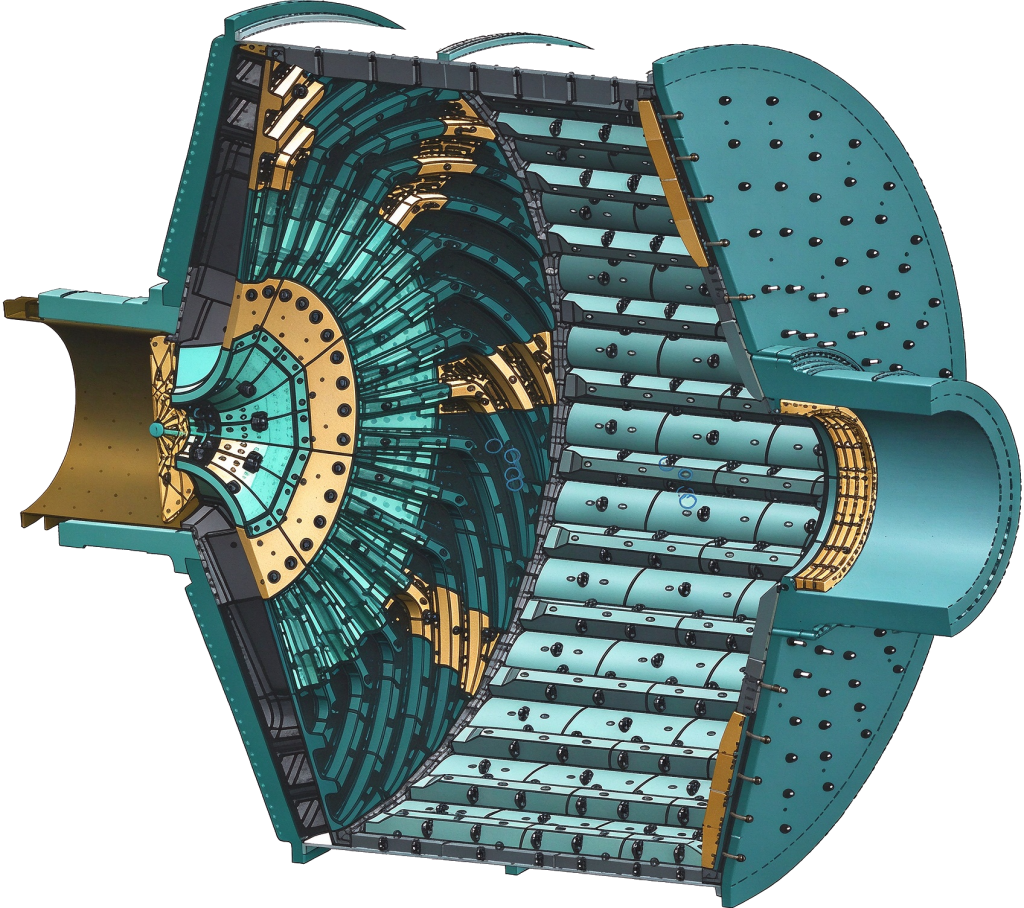
Liners for every grinding stage
Four mill types, one drawing-driven process. Every liner is moulded from the drawing you send and measured before it leaves the foundry.
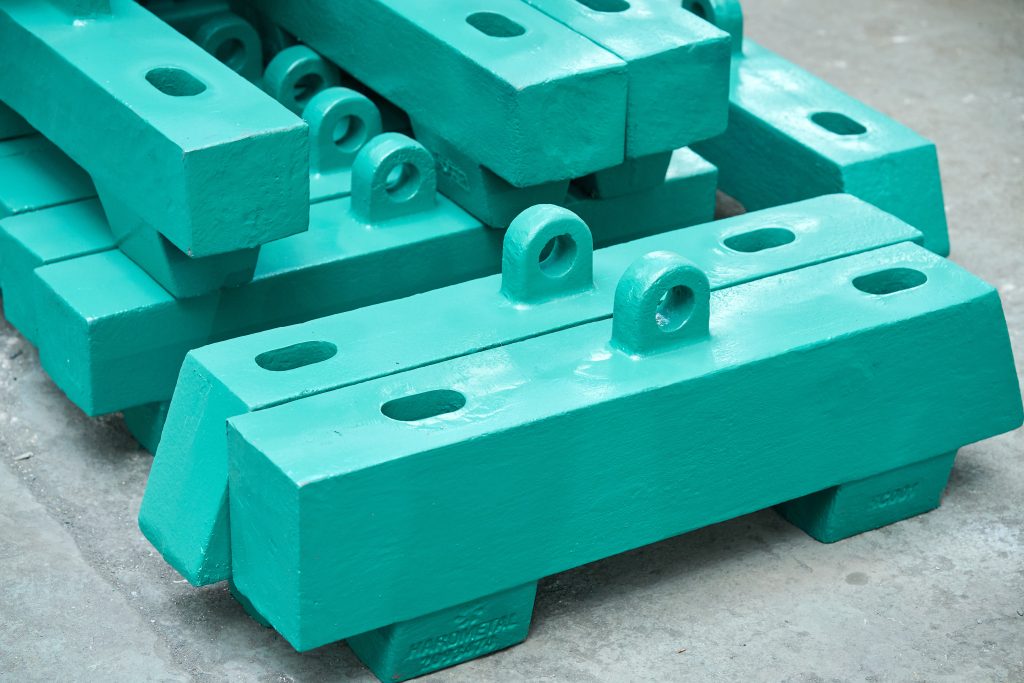
Ball Mill Liners
Shell, head and grate liners for secondary and regrind ball mills from 1.5 m to 6.0 m diameter. Material matched to your grinding circuit — not to a catalogue.
View Ball Mill Liners →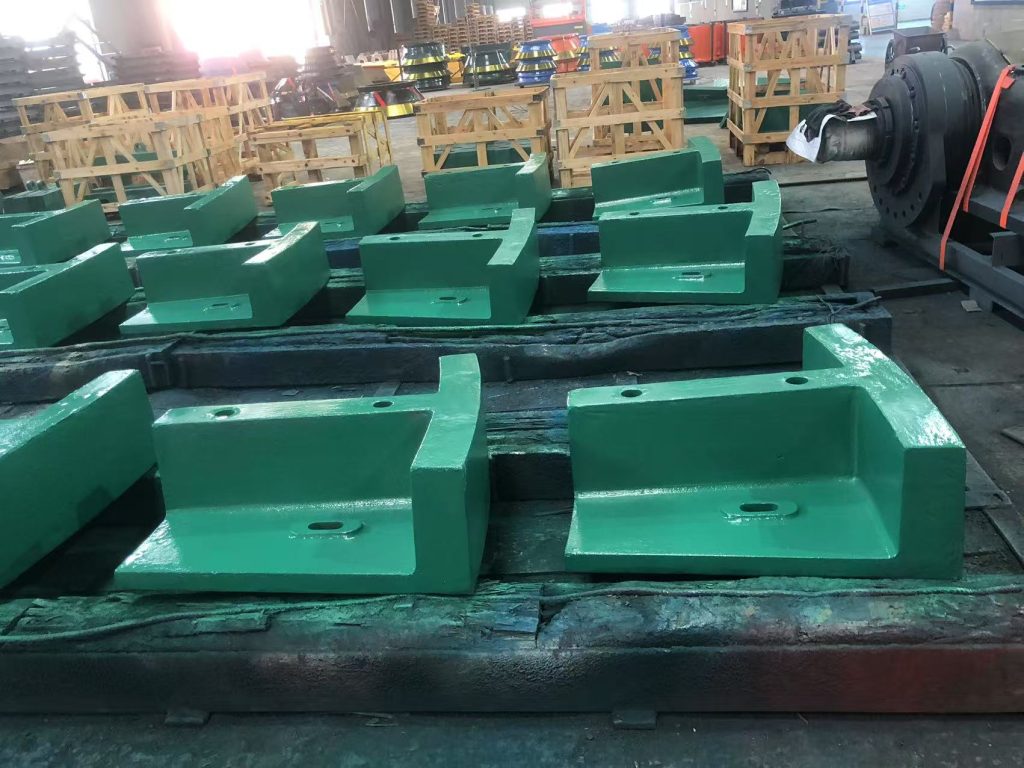
SAG Mill Liners
Heavy-section shell, feed-end and discharge-end liners for semi-autogenous mills. Cast in high-manganese grades that work-harden under the ore they break.
View SAG Mill Liners →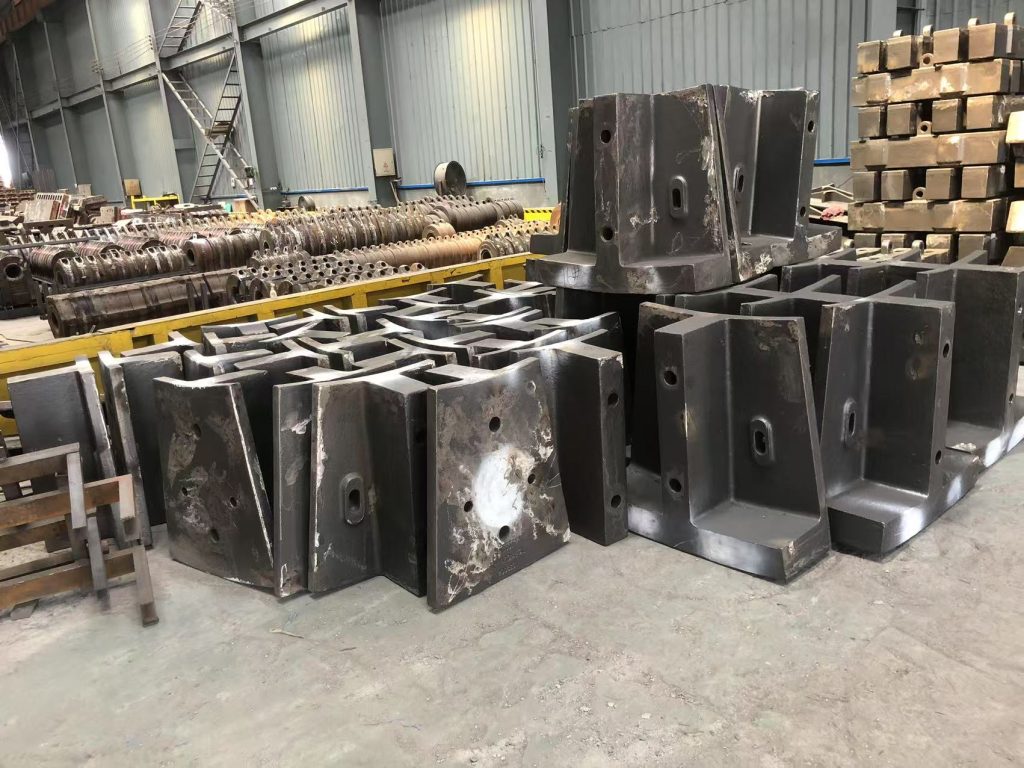
AG Mill Liners
Autogenous mills have no grinding media to cushion the load — the liners take the full ore impact. We cast for that duty.
View AG Mill Liners →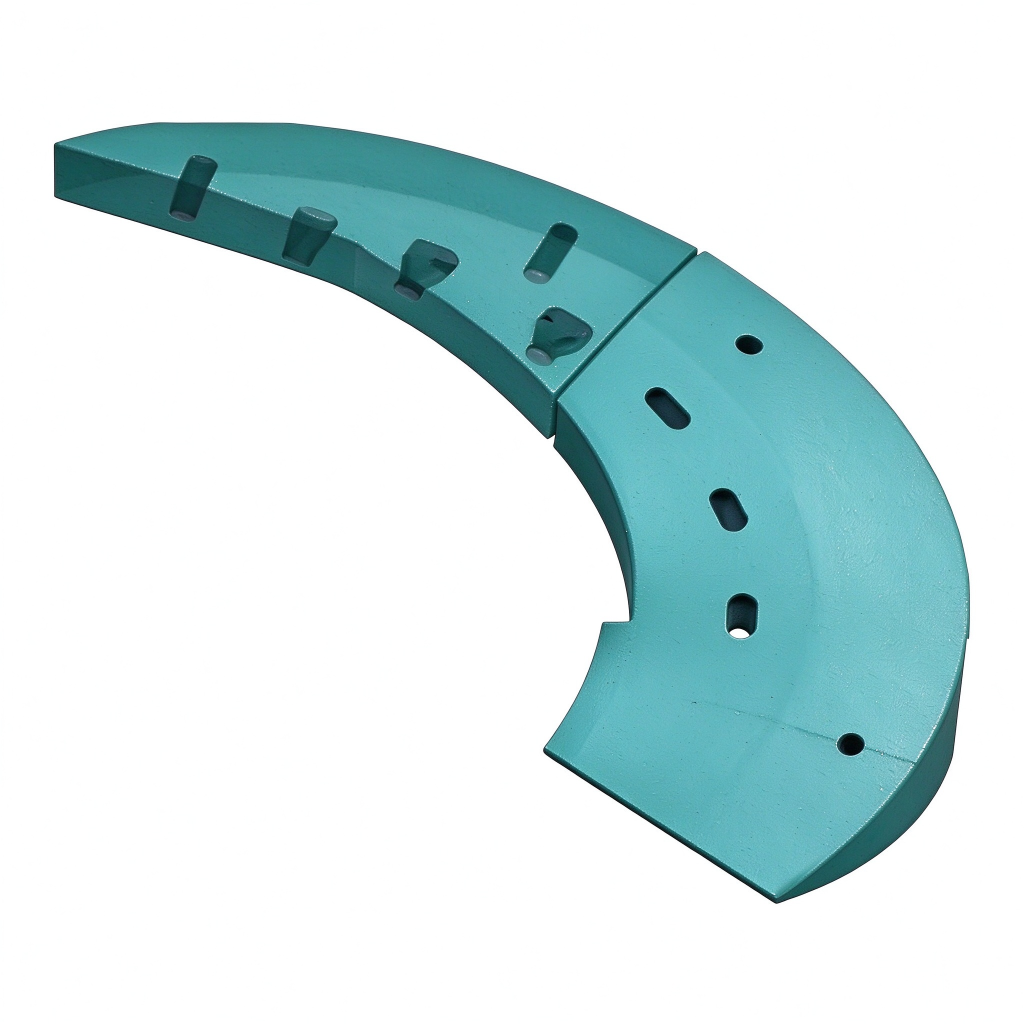
VTM Liners
High-chromium screw and grid liner packages for vertical stirred (tower) mills — the wear parts that set your fine-grinding cost. Cast to drawing, balanced by section.
View VTM Liners →Three material families, chosen by duty — not by habit
The right answer is usually a mix. Shell liners in the fine chamber wear differently from the feed-end head, and they should not be the same steel.
Manganese Steel
Austenitic Hadfield grades — Mn13, Mn18 and Mn18Cr2. The surface work-hardens under impact while the core stays tough, which is why manganese still wins where the charge hits hard.
- GradesAMS-A0 – A4 (Mn13 – Mn18Cr2)
- Initial hardness170–230 HB
- After work-hardeningup to 500 HB
- Best forCoarse grinding, large balls, feed ends
Cr-Mo Alloy Steel
Quenched and tempered low-alloy steel with a higher as-cast hardness. Where wear is abrasive rather than impact-driven, it simply lasts longer per millimetre of section.
- GradesP1 · M1 · M2
- Hardness325–520 HB
- MicrostructurePearlite / martensite + carbides
- Best forFine grinding chambers, grate plates
High-Chrome White Iron
Alloy white iron with 12–26% chromium. M7C3 eutectic carbides at HV 1300–1800 carry the wear — maximum abrasion resistance where impact never gets heavy.
- GradesCr20 · Cr20-M · Cr15-HC · Cr15-LC
- Hardness520–650 HB
- MicrostructureMartensite + eutectic carbides
- Best forAG & low-speed mills, corrosive duty
What you actually get when you order to drawing
Drawing compliance
Patterns built from your drawing. Key dimensions checked against a template and recorded on a dimensional report that ships with the order.
Metallurgy you can trace
Spectrometer chemistry, hardness and microstructure results recorded per heat number — traceable back to your liner set.
Lead times that hold
Typically 25–45 days from drawing approval, confirmed in writing before you place the order.
Foundry-direct pricing
You buy from the foundry, not through a trader. Quoted FOB Shanghai or CIF your port.
The complete wear package
A full liner set, not just the easy pieces
Shell liners are the volume. The parts that stop a mill are the ones nobody stocks — pulp lifters, trunnion liners, mill door plates. We cast the complete set to one drawing package, so everything arrives with the same metallurgy and the same tolerances.
- Shell liners
- Head liners — feed end
- Head liners — discharge end
- Grate plates
- Lifter bars
- Pulp lifters
- Trunnion liners
- Mill door & wedges
From your drawing to a documented casting
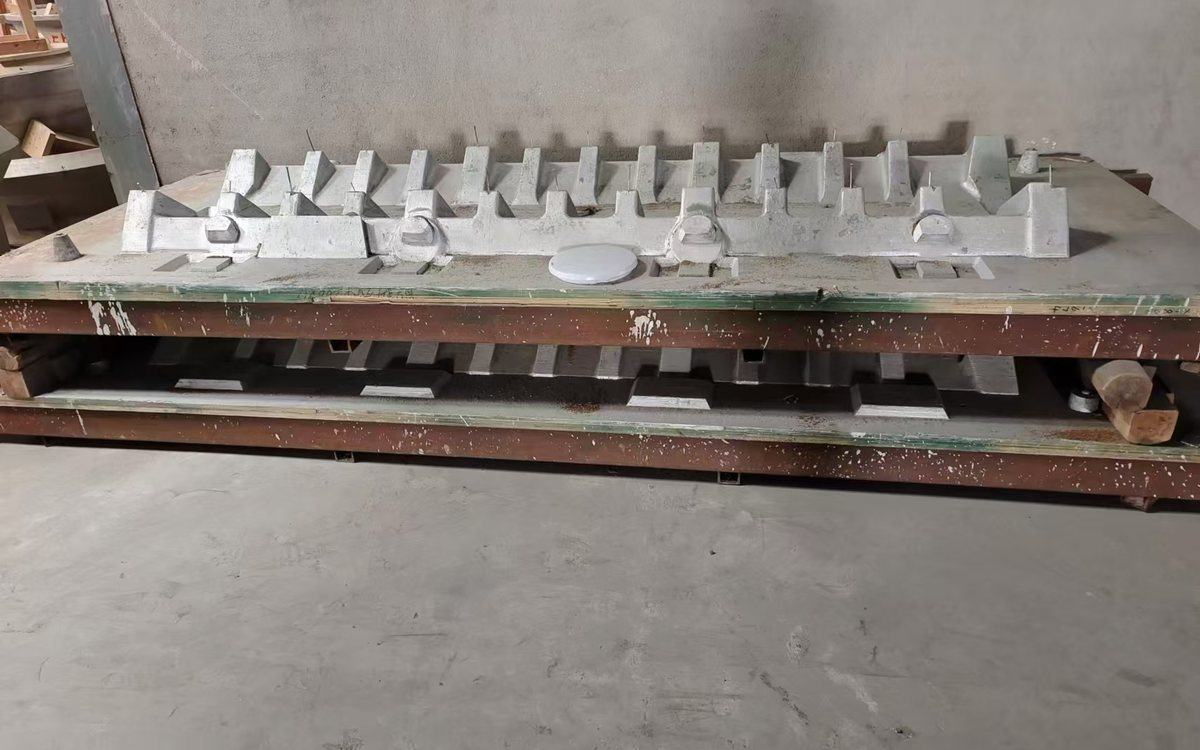
01 · Pattern making
Patterns produced from your drawing, with shrinkage allowance and machining allowance applied per grade.
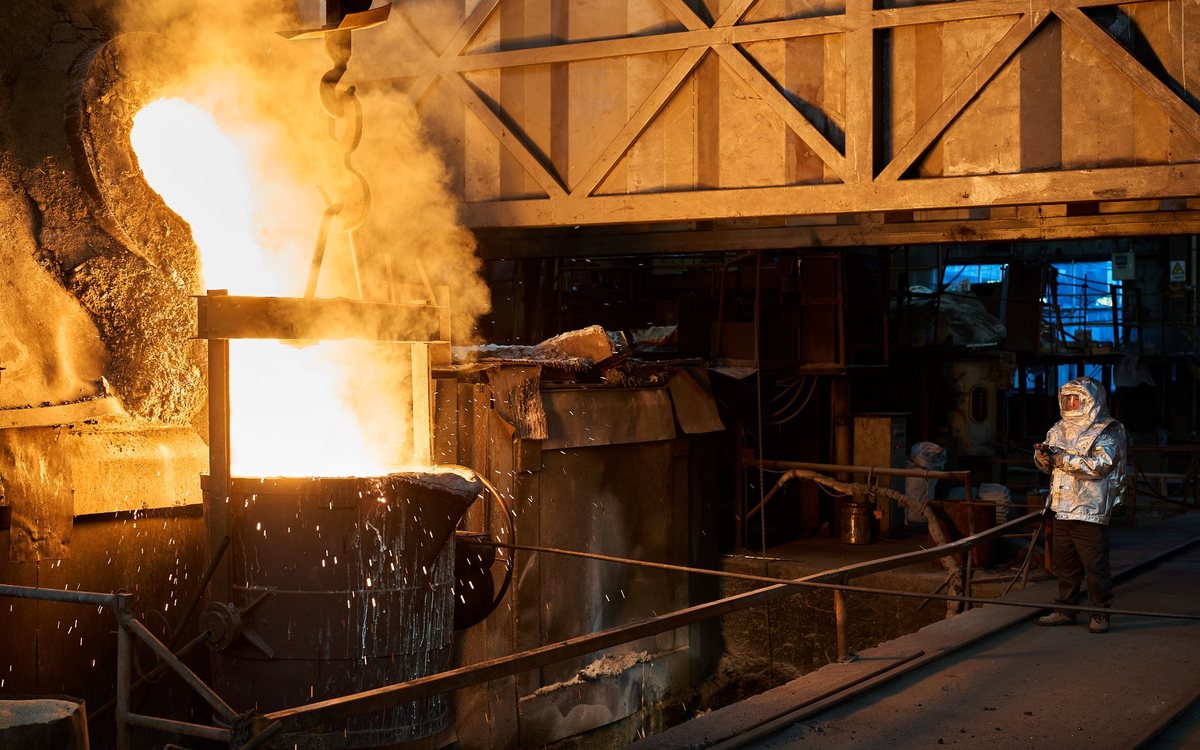
02 · Melting & casting
Medium-frequency induction melting, chemistry verified by spectrometer before the pour.
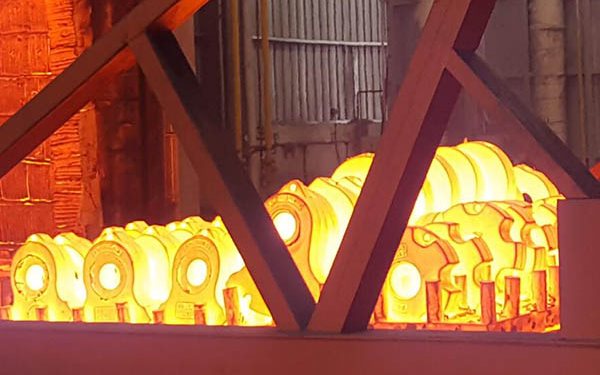
03 · Heat treatment
Water toughening for manganese grades, quench and temper for Cr-Mo — logged with furnace curves.
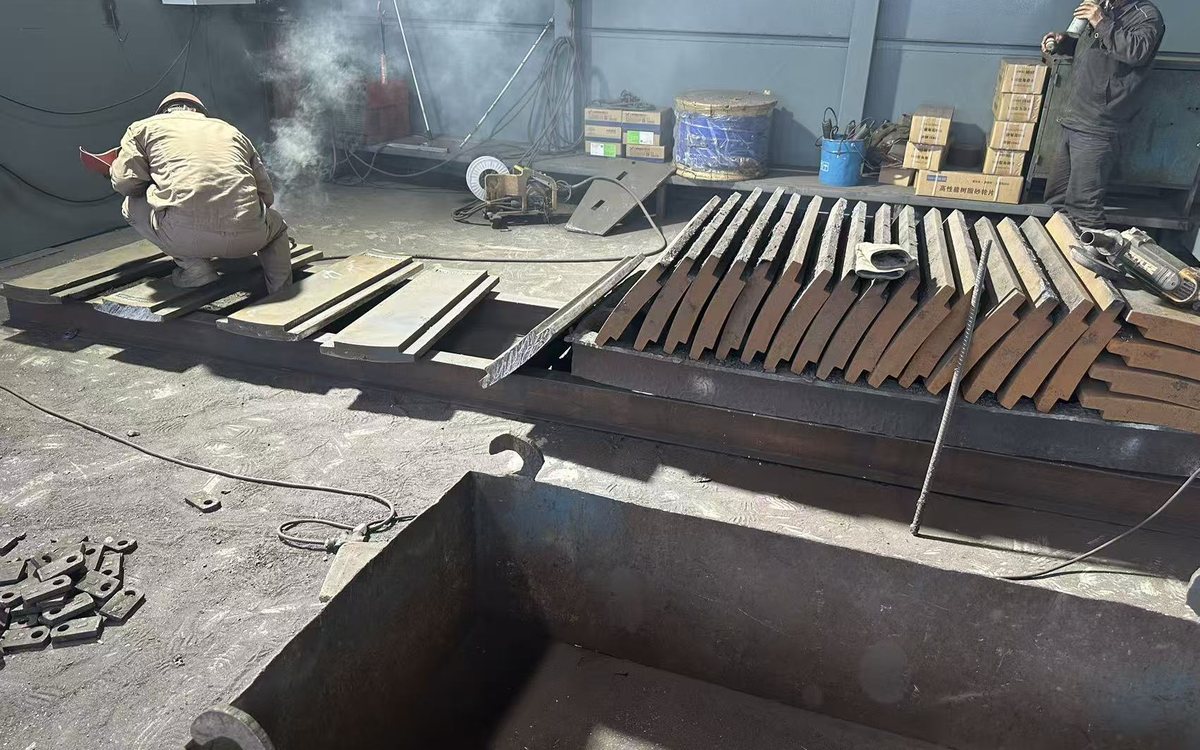
04 · Machining & QC
Bolt holes, faces and fits machined to drawing, then measured and documented before packing.
Compliance you can hand to an auditor
Every heat number is documented
Compliance is not a claim on a certificate — it is a stack of records that travels with your liners. When a mill engineer asks why liner number four wore faster, the answer is in the paperwork.
- Optical emission spectrometer analysis — chemistry per heat
- Brinell hardness testing — reported per batch
- Microstructure examination for manganese grades
- Dimensional inspection against your drawing
- Heat treatment records with furnace chart
- Non-destructive testing on request (UT / MT)
Ordering to drawing takes four steps
Send your drawing or worn sample
Upload DWG, PDF or STEP through the form, or mail a worn liner to us. Tell us the mill, the material you use today and the quantity you need.
Quotation and pattern
We review the drawing for castability, confirm pattern availability, and send a firm quotation with lead time — including pattern cost if a new pattern is required.
Casting, heat treatment and inspection
Patterns are made, metal is poured, heat treatment logged, and the finished liners measured against your drawing.
Inspection documents and shipment
Dimensional report, chemistry and hardness certificates are packed with the order. We ship FOB or CIF, crated for ocean freight.
Recent projects, delivered to drawing
SAG shell liners cast to drawing
A copper concentrator needed a replacement set without the six-month OEM lead time. We cast to their drawing and shipped in 42 days.
Read the case →Grate plate wear cost cut with Mn18Cr2
Switching from a plain manganese grade to Mn18Cr2 in an abrasive discharge duty extended service life between relines.
Read the case →From worn sample to finished trunnion liners
No drawing existed for the old liners. We measured the worn parts, produced a drawing for approval, then cast to it.
Read the case →Shipped, packed and documented for import
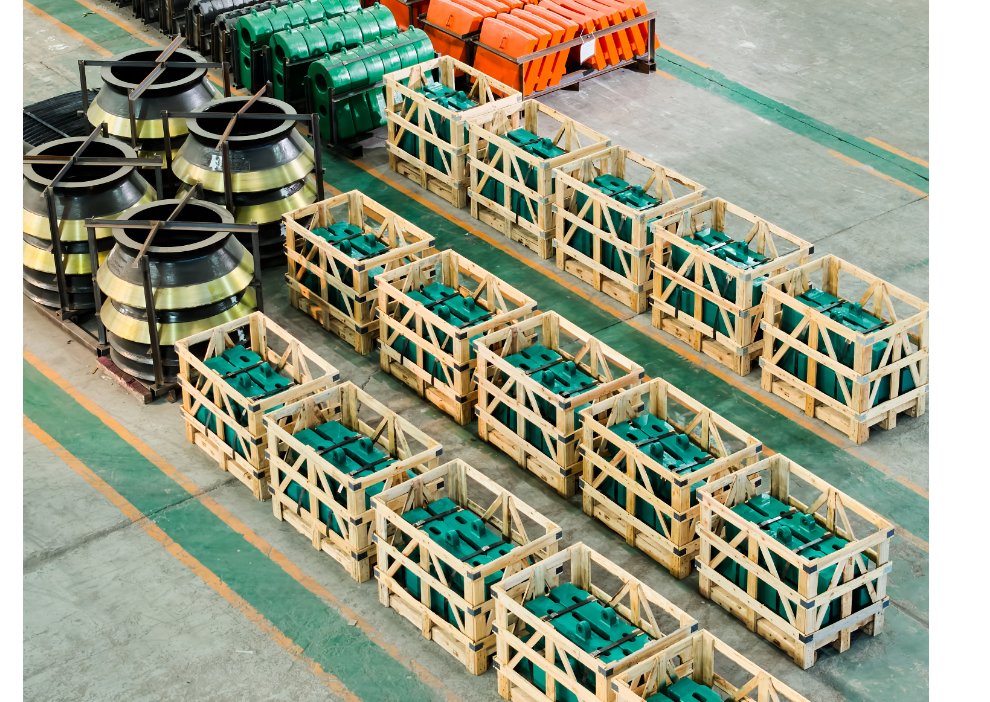
Packed for the distance, documented for customs
Heavy castings travel badly when they are packed badly. Every set is marked against the packing list, secured for sea freight and photographed before the container closes.
- TermsFOB Shanghai / CIF your port
- PackingSteel pallets, wooden crates, rust protection
- MarkingItem number, heat number, set position
- DocumentsPacking list, invoice, certificates, dimensional report
- Loading photosSent before container sealing
Questions we are asked before every first order
Can you make liners if I only have a worn part, not a drawing?
Yes. Send us the worn liner or a detailed set of measurements and photographs. We reverse engineer a drawing and send it to you for approval before any pattern is cut.
How long does delivery take?
Typically 25–45 days after drawing approval, depending on pattern availability, quantity and heat treatment requirements. The lead time is confirmed in writing with the quotation.
What is your minimum order quantity?
For an existing pattern there is no strict minimum. For a new pattern we ask for a quantity that covers the pattern cost — usually one to three sets, depending on the part.
Do you sign NDAs and protect my drawings?
Yes. We sign your NDA before drawings are shared, and your drawing is never used for any other customer or shown publicly without written permission.
Send us your drawing — get a quote within 24 hours
Upload DWG, PDF or STEP files. Our engineers review every drawing and come back with a technical reply and a firm quotation — no obligation.